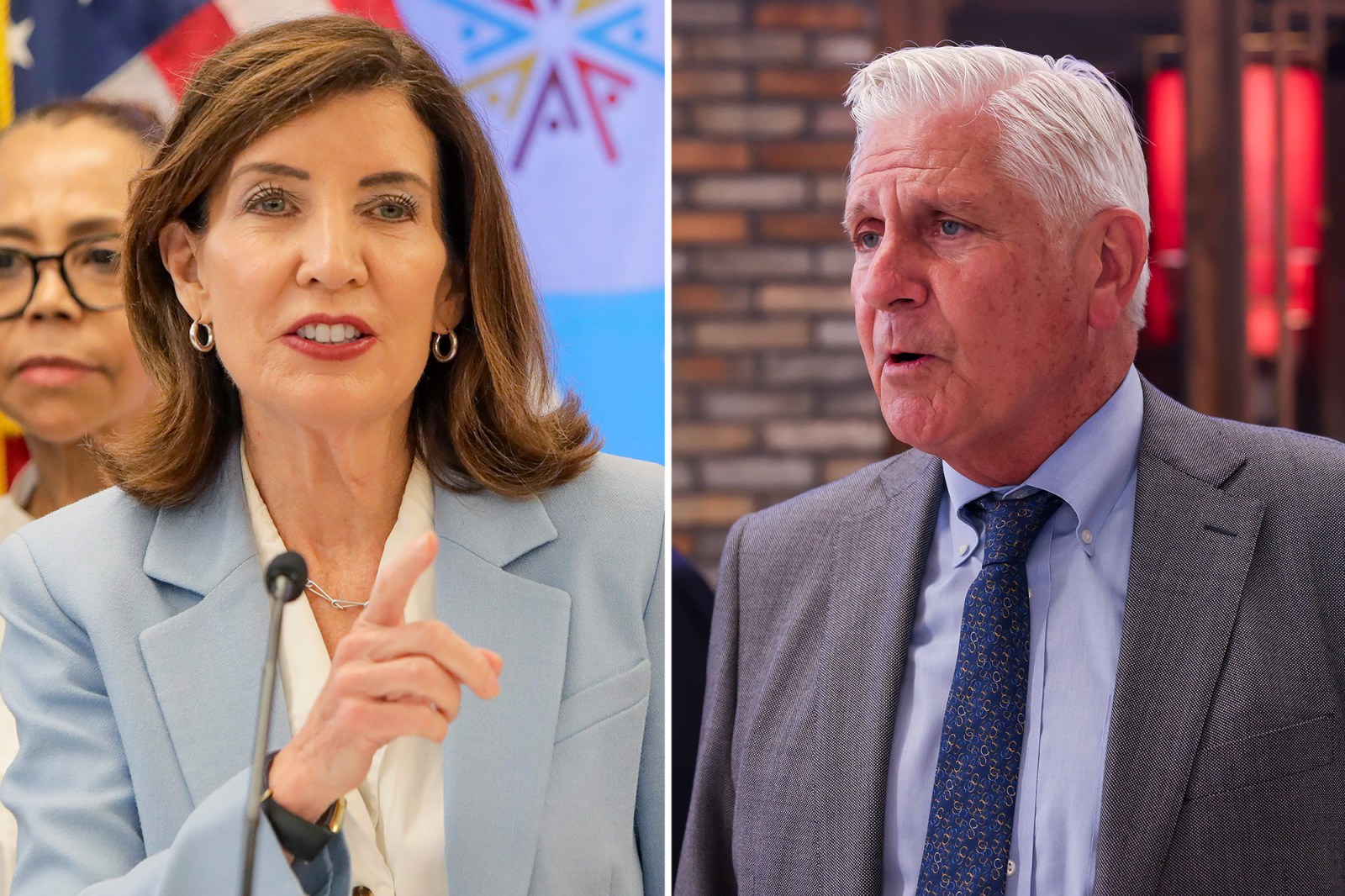
New Yorkers who follow Albany closely worked out long ago why Gov. Kathy Hochul has earned her reputation as a weather vane. She shifts with the wind, then presents the shift as prudence.
Two recent New York Times pieces — an interview, and a longer weekend read separating her from City Hall’s botched rollout of the pied-à-terre tax — were plainly meant to help her. What they actually leave behind is a portrait of a governor who performs moderation while governing in step with Mayor Mamdani and the socialists now steering the Democratic Party.
The endorsement no one else would give
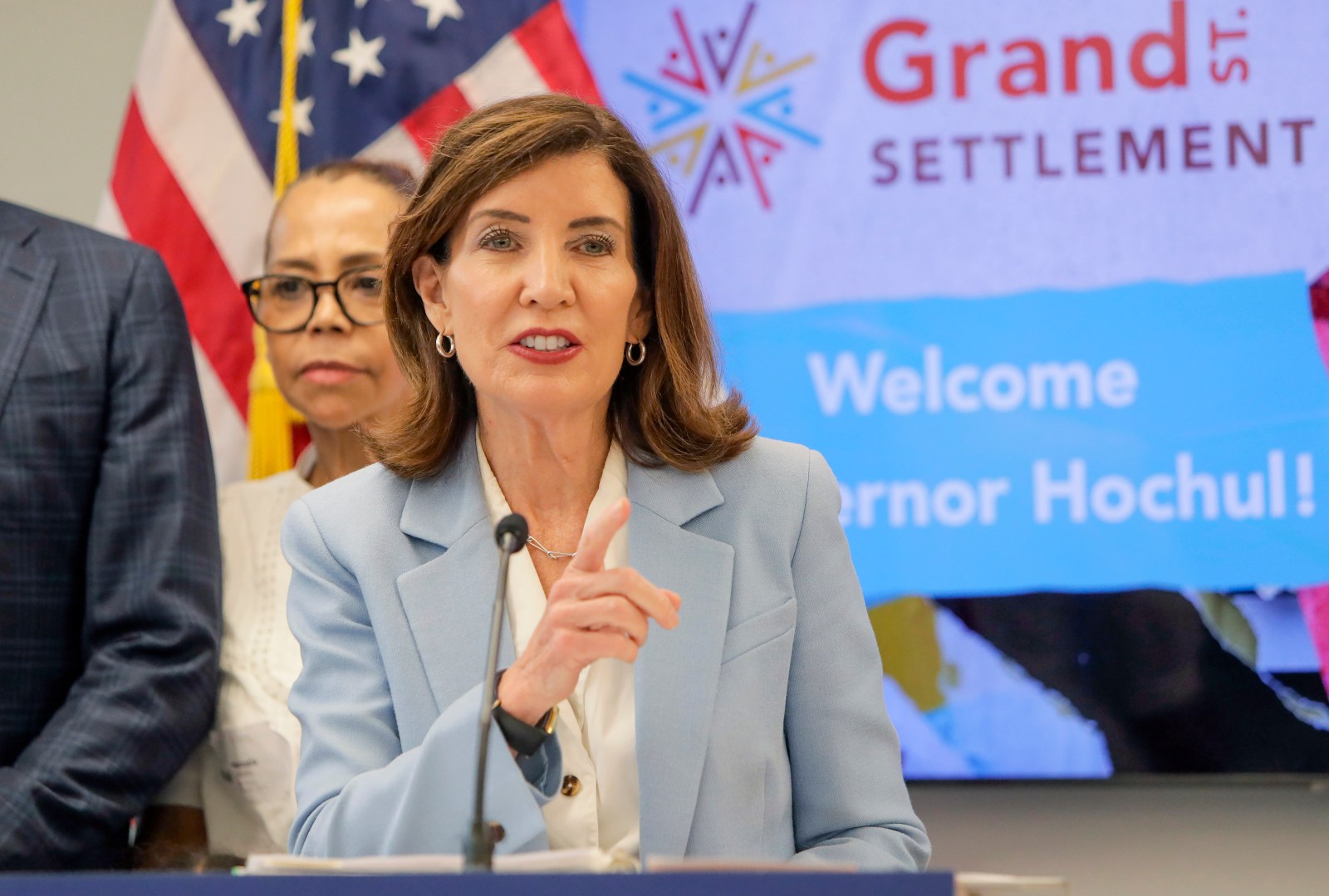
She was the only leading New York Democrat to back Mamdani in both the primary and the general election last year. Sens. Chuck Schumer and Kirsten Gillibrand kept their distance, put off by his hostility toward Israel and his war on wealth. Hochul raised no objection then, and shows no second thoughts now.
She has done more than endorse him. She has helped pay for his agenda, routing billions in state funds to the city. State spending has climbed roughly 30% in the five years since she took office.
The motive is arithmetic. Mamdani drew 1.1 million votes in the city’s general election. If most of those voters turn out for her in the fall, she beats her Republican challenger, Nassau County Executive Bruce Blakeman, comfortably.
Scolding in private, signing in public
The Times casts her as the adult in the room, and she plays the part. She says she told Mamdani privately to concentrate on “the blocking and tackling of city government” after his latest broadside at Israeli Prime Minister Benjamin Netanyahu.
After the mayor posted a video taunting Citadel founder Ken Griffin over the pied-à-terre tax, she says she told him “There’s a better way to do it,” and suggested he aim at “Saudi Princes and Russian oligarchs” instead.
And with homeowners now opening confusing letters about that same tax, she says she told him the rollout “has to be cleaned up and fixed.”
Notice what is missing from all three anecdotes: any objection to the policy itself. Her working definition of moderation is to raise taxes and spending steadily, but to do it competently and with a smile.
The door she just left open
The real news in the interview was a single paragraph from Times reporter Grace Ashford: the governor said she had “no intention” of raising taxes or creating new ones in the coming year, but indicated that could change if federal aid to New York were cut.
That is not a promise. It is an opening bid, and it quietly retires her repeated pledge not to seek another broad income tax increase. Blakeman, who has hammered her on taxes and spending, has just been handed the rest of his campaign.
The pattern
This is the Hochul New Yorkers already know. She campaigned against congestion pricing, then imposed it once the votes were counted.
In March she rejected the income tax increases Mamdani and the Legislature’s left flank wanted. “New Yorkers can’t pay anymore. We have to cut their cost of living,” she said, calling that “Job number one in this budget.” The same day she acknowledged that New York’s tax base had eroded, telling any “patriotic millionaires” who wanted to help to “go down to Palm Beach and see who you bring back home.”
Less than a month later she came out for the pied-à-terre tax, on the grounds that the wealthy could afford it. “They’re all welcome to stay,” she said. “But those come at a cost and I think it’s fair to ask them to contribute.”
She has since estimated the levy could raise $500 million a year for the city — a sum nobody would ordinarily describe as a contribution.
The softened vocabulary is the whole trick. It is meant to suggest there is daylight between the governor and the mayor. There isn’t much.
Michael Goodwin is a columnist for the New York Post, where a version of this argument first appeared.